Daily Structure
1st slide: Day
The first slide provides on opportunity to talk about time which is different for each year level.
Year 0: “Today is Monday. Tomorrow is Tuesday. Yesterday was Sunday.”
Year 1: “Today is Monday. It is the 10th day of February.”
Year 2: “Today is Monday, It is the 10th day of February. The time is half past one.”
Year 3: “Today is Monday, It is the 10th day of February. It is 1:35. 35 minutes past 1 o’clock.”
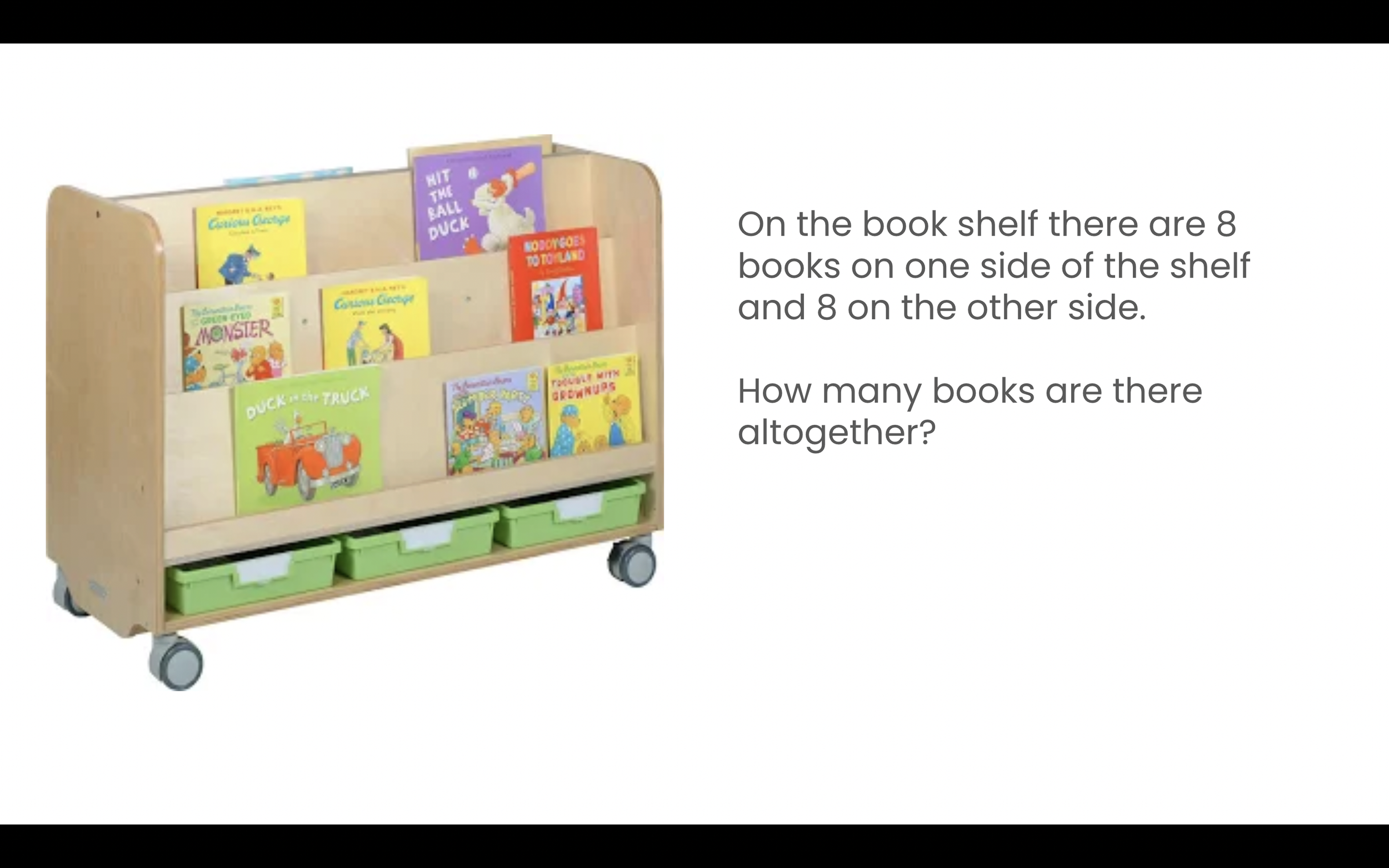
2nd slide: Word Problem
These problems can be done whole class.
Year 0: Combining or separating numbers up to 10.
Year 1: Combining or separating numbers to 100.
Year 2: Combining or separating numbers to 120.
Year 3: Combining or separating numbers to 1000.
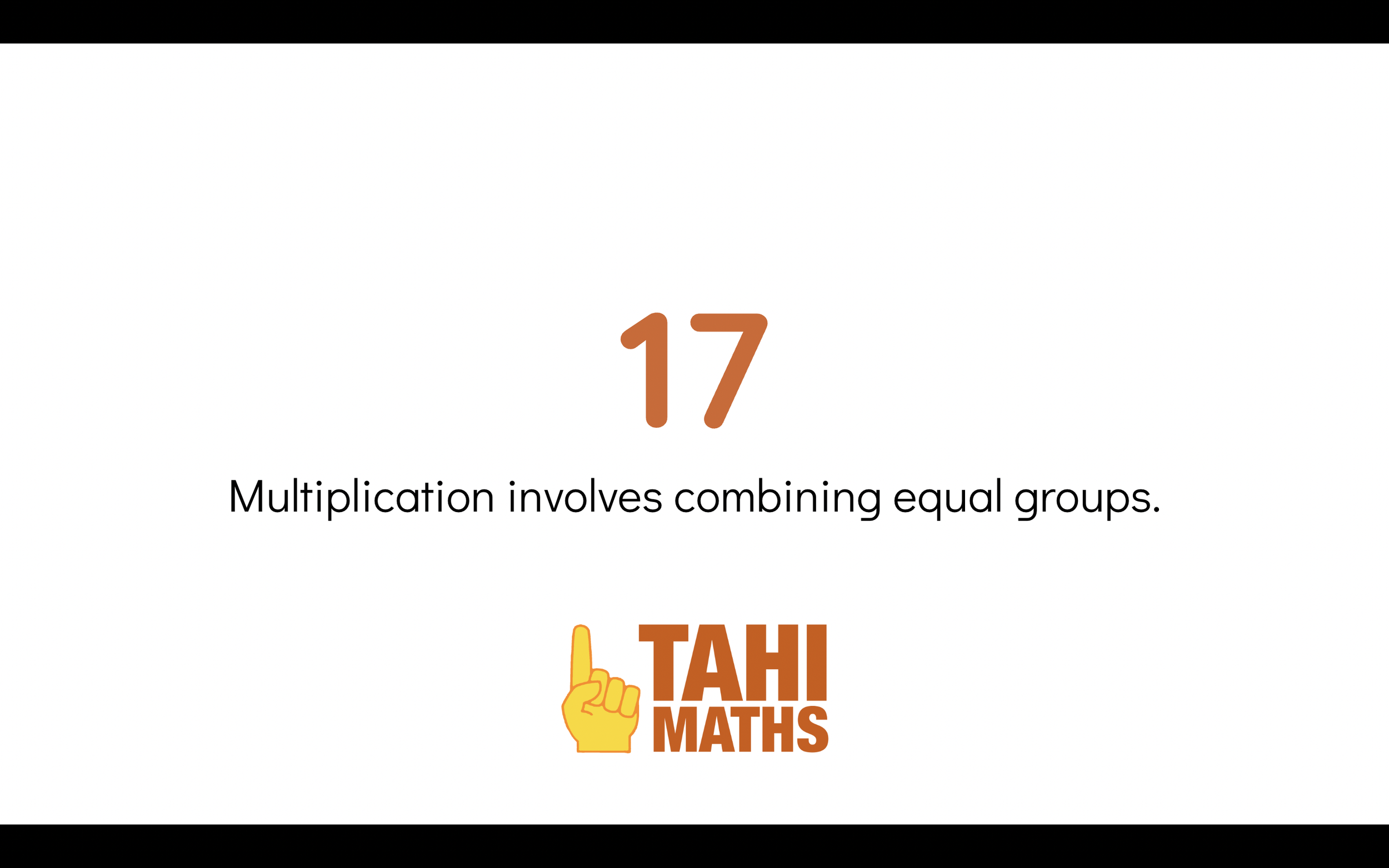
3rd slide: Number of the Day & knowledge outcome
The Number of the Day can be given as an independent activity for students to explore the number by drawing a picture, showing the number on a number line and writing equations.
The knowledge outcome from the curriculum is stated and can be shared with students.
If the outcome is a “practice” from the curriculum it is highlighted in pink.
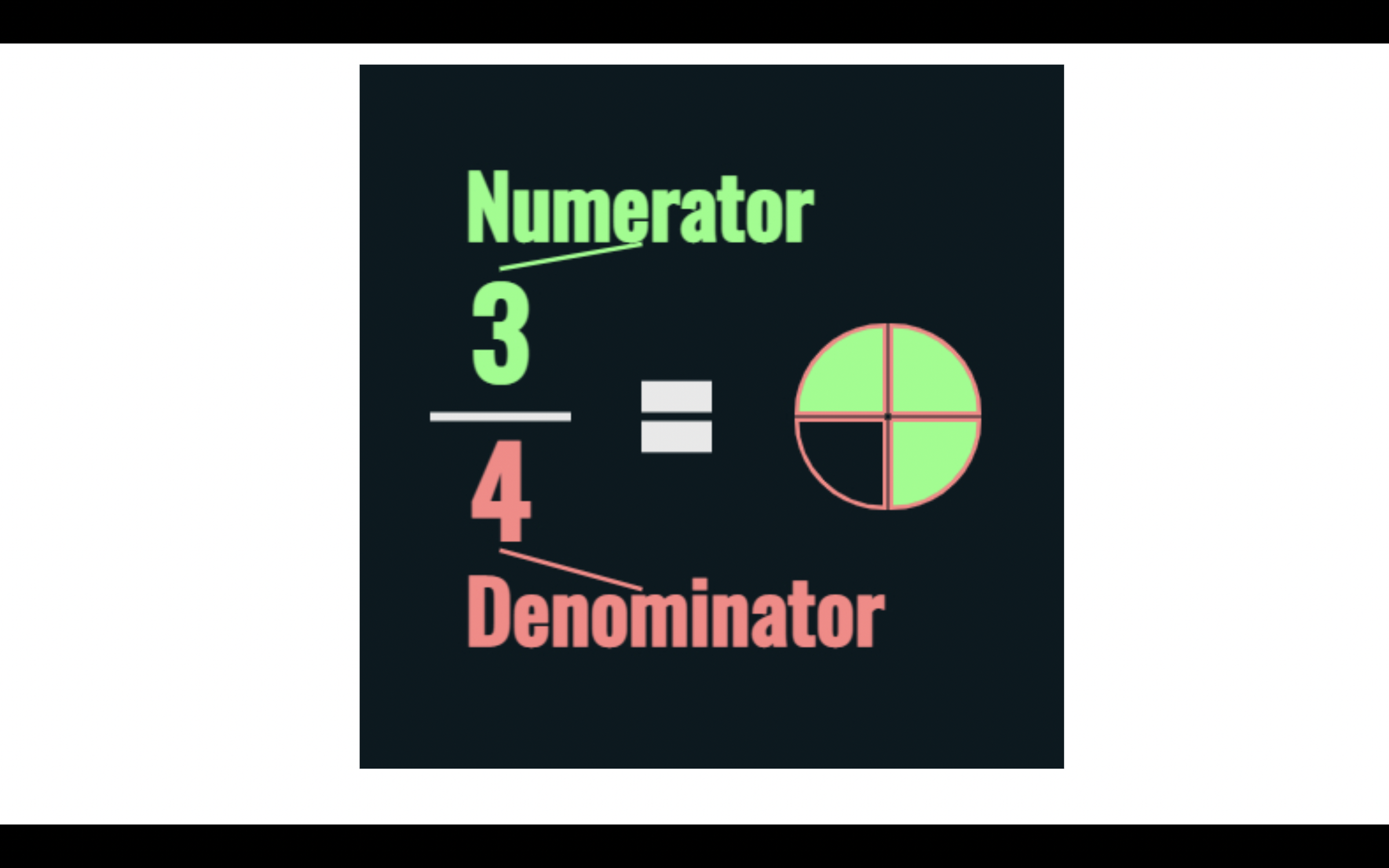
4th slide: See Think Wonder
All students can engage with the image on the screen and have something to say about it.
This can be done whole class or in pairs.
5th slide: Rich Task
Teachers can modify the task according to the needs of their students.